Understanding the Global Impact of Congenital Toxoplasmosis: From Latin America to the World
Master of Science in Precision Health Program, MsPH Recipient
UChicago Faculty Mentor Dr. Rima McLeod Department of Ophthalmology & Visual Science
Onsite Mentors Dr. Mariangela Soberon in Panama & Dr. Jorge Enrique Gomez Marin in Colombia
Olivia, along with her undergraduate counterpart Jared, completed a multi-country project addressing congenital toxoplasmosis (CT) through clinician education, epidemiologic analysis, immunologic assessment, and early therapeutic exploration. In Panama, Olivia & Jared developed and distributed a concise Spanish “one-pager” for healthcare providers and launched a complementary survey to inform Ministry of Health policy recommendations. In Colombia, clinical records from CT patients were analyzed to identify factors associated with ocular recrudescence, revealing links with disease laterality, lesion burden, socioeconomic status, and reduced lymphocyte responses. Collectively, their findings highlight the need for improved clinical recognition, targeted public health strategies, and continued exploration of immune and therapeutic pathways to advance CT prevention and care.

International Partner Sites
Hospital Punta Pacifica in Panama City, Panama
Quindío, Colombia
Magnetic resonance imaging-based hippocampal volumetry in a cohort of Nigerian dementia patients, 2025
Harris School of Public Policy, MPP Candidate
UChicago Faculty Mentor Dr. Funmi Olopade Department of Medicine, Hematology & Oncology
Onsite Mentors Dr. Benjamin Aribisala in Lagos & Prof. Godwin Ogbole in Ibadan
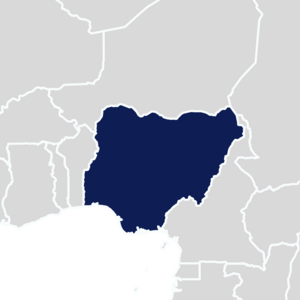
This study examined hippocampal volumes in Nigerian adults with suspected dementia compared to cognitively normal controls to generate locally relevant volumetric benchmarks. Using retrospectively analyzed MRI scans processed with standardized extraction and normalization methods, Ayush quantified absolute and ICV-adjusted hippocampal volumes. The results align with global evidence while filling a major data gap in West Africa, where volumetric imaging studies are scarce. The study highlights the promise of hippocampal volumetry for early dementia detection in Nigeria, while also underscoring the need for larger, multi-site research and strategies to support clinical adoption in resource-limited settings.
International Partner Sites
Lagos State University & University College Hospital
Lagos, Nigeria & Ibadan, Nigeria
Assessing Vehicle Design and Behavioral Risk Factors for Road Traffic Injuries in New Delhi Using a Spatially Stratified Case-Control Protocol
Pritzker School of Medicine & Graduate of the Master of Public Health Program, MPH Recipient & MD Candidate
UChicago Faculty Mentor Dr. Kavi Bhalla Department of Public Health Sciences
Onsite Mentor Dr. Rahul Goel
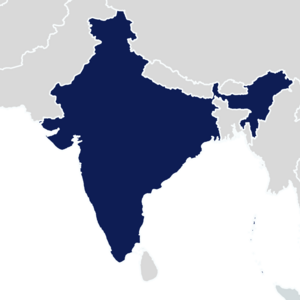
SJ, along with his undergraduate counterpart Diya, developed a spatially stratified, case-control research protocol designed for urban LMIC settings, with New Delhi serving as the pilot site. Road traffic injuries are a major cause of death and disability in LMICs, yet there are few scalable methods for examining the combined vehicle, behavioral, and environmental contributors to crash risk. SJ & Diya defined policy-relevant research questions and collected case data, while controls were obtained through randomized observational sampling road segments spanning multiple city jurisdictions. Preliminary findings indicate quality, geographically representative data and sufficient statistical power to assess risk estimates for the planned analyses. Overall, the protocol offers a flexible, replicable framework for evaluating diverse road safety questions and can be adapted to other LMIC cities with varied data environments.
International Partner Site
Indian Institute of Technology Delhi (IIT) Transportation Research and Injury Prevention Center
New Delhi, India
Investigating transmission dynamics of Madagascar's emerging HIV epidemic
Department of Ecology & Evolution, Ph.D. Candidate
UChicago Faculty Mentor Dr. Cara Brook Department of Ecology & Evolution
Onsite Mentor Dr. Christian Ranaivoson
Sophie is conducting research in multi-part project examining HIV transmission dynamics in Madagascar, where prevalence is rising and data remain limited. A cross-sectional study among commercial sex workers found a high rate of HIV seropositivity and identified key behavioral and clinical factors associated with infection. Dried blood spot samples are undergoing HIV genome sequencing, complementing separate national sequence datasets. These analyses reveal substantial HIV subtype diversity, multiple international introductions, and evidence of ongoing local transmission with increasing viral population size since the mid-2000s. Together, these findings highlight an urgently expanding epidemic and underscore the need for targeted interventions and continued surveillance in Madagascar.

International Partner Site
Association Ekipa Fanihy
Antananarivo, Madagascar
Development of a multi-level workplace intervention for non-communicable disease prevention and control among staff universities in Nigeria
Harris School of Public Policy, MPP Candidate
UChicago Faculty Mentor Dr. Funmi Olopade Department of Medicine, Hematology & Oncology
Onsite Mentor Dr. Mojisola Oluwasanu
Ngozi is conducting a baseline cross-sectional survey with future planned testing and evaluation of workplace interventions. This study addresses the rising burden of non-communicable diseases (NCDs) among university staff in Nigeria, a population reflecting national trends in modifiable risk factors for cardiovascular disease, cancer, respiratory disease, and diabetes. The study includes teaching and non-teaching staff across two universities, with participants selected through simple random sampling and health-affiliated faculties excluded to reduce bias. Data collection is guided by the WHO STEPwise Approach to NCD Risk Factor Surveillance. Findings will inform tailored institutional interventions aimed at reducing NCD risk behaviors, expanding access to screening services, and increasing their utilization among university staff.
International Partner Site
University of Ibadan College of Medicine
Ibadan, Nigeria
Identifying Gaps and Opportunities for Sickle Cell Disease Prioritization in Nigeria
Harris School of Public Policy, MPP Candidate
UChicago Faculty Mentor Dr. Funmi Olopade Department of Medicine, Hematology & Oncology
Onsite Mentor Dr. Mojisola Oluwasanu & Dr. Annette Akinsete
Nigeria carries the world’s largest burden of sickle cell disease (SCD), yet research and care remain underfunded and inconsistently prioritized. To guide a national research strategy, Gargi worked with the Nigeria Health Research Committee to conduct semi-structured interviews with clinicians, researchers, and policy experts to understand the most pressing challenges in SCD care. Respondents highlighted persistent implementation failures that prevent existing policies and guidelines from improving patient outcomes. They emphasized that research must shift toward operational and behavioral questions, and address cultural barriers to care. Overall, the findings position implementation research as essential for translating effective interventions into equitable, nationwide improvements in SCD prevention and treatment.
International Partner Site
National Health Research Ethics Committee of Nigeria (NHREC)
Abuja, Nigeria
From Screening to Survival: A Mixed-Methods Study of Barriers and Opportunities Across the Women's Cancer Care Continuum in India
Harris School of Public Policy, MPP Candidate
UChicago Faculty Mentor Dr. Funmi Olopade Department of Medicine, Hematology & Oncology
Onsite Mentors Dr. Raja Pramanik
This independent study examines barriers to early cancer detection for Indian women by integrating insights from oncologists and cancer survivors. Shyamji used a survey of oncologists and group discussions with survivors to assess knowledge of screening protocols, systemic gaps, and lived experiences across the screening–diagnosis–treatment pathway. Findings reveal major structural challenges that delay diagnosis including stigma and financial dependence. The study concludes that strengthening early detection will require district-level capacity building, gender-responsive program design, and improved digital and counseling support aligned with WHO’s 90-70-90 targets.
International Partner Site
The University of Chicago Center in Delhi
New Delhi, India
Chemotherapy-Related Renal Outcomes in Nigerian Women Enrolled in the ARETTA Study
The College, 2027 Biological Sciences, Global Health Track
UChicago Faculty Mentor Dr. Funmi Olopade Department of Medicine, Hematology & Oncology
Onsite Mentor Dr. Atara Ntekim
This study evaluated the incidence of renal impairment among Nigerian women receiving chemotherapy and trastuzumab for HER2-positive breast cancer and explored the relationship between kidney function and cardiotoxicity. Using prospective data from the ARETTA study, Tioluwani tracked renal and cardiac markers throughout treatment and follow-up. The findings underscore the need for routine monitoring of renal function during treatment and highlight the importance of larger studies to better identify predictors of nephrotoxicity in this population.
International Partner Site
The ARETTA Study at the University of Ibadan
Ibadan, Nigeria
Exploring Compliance and Access to Monthly Prenatal Follow-Up in Drâa-Tafilalet, Morocco
The College, 2027 Neuroscience & Public Policy
UChicago Faculty Mentor Dr. Rima McLeod Department of Ophthalmology & Visual Science
Onsite Mentor Dr. Kamal El-Bissati
This study examines prenatal care access and utilization in Morocco’s Drâa-Tafilalet region, where availability of services and patient experiences vary widely. Using questionnaires from pregnant patients and healthcare workers across different institutions, Meghna assessed factors influencing visit frequency, barriers to care, and communication during pregnancy monitoring. Quantitative analyses revealed significant differences between facilities in visit patterns, perceived distance barriers, counseling on key conditions, and rates of discontinuing pregnancy monitoring. Qualitative responses underscored the need for free toxoplasmosis screening, greater access to diagnostics and providers, and improved community awareness about the importance of prenatal care. Meghna identifies both strengths and gaps in the region’s pregnancy monitoring system, while noting the limitation that participants were limited to individuals already seeking care.

International Partner Site
Institut National d'Hygiène
Casablanca, Morocco
Methodology to detect microplastics in common beverages and human Blood: Implications for Maternal and Neonatal Health
The College, 2026 Comparative Human Development
UChicago Faculty Mentor Dr. Sonia Hernandez Department of Surgery, Pediatric
Onsite Mentor Dr. Juan Mario Solis Paredes
Current research highlights emerging evidence that MPs may affect the central nervous system through oxidative stress, inflammation, and barrier disruption, underscoring the need for further investigation. This study examined potential mental health implications of microplastic (MP) exposure by standardizing detection methods for suspected microplastic particles (S-MPs) in beverages and human blood. Clarissa conducted beverage filtration and staining procedures, as well as enzymatic digestion of blood samples, to prepare materials for microscopic observation. S-MPs were identified in all beverage types tested and in human blood samples, while negative controls showed no contamination. These findings suggest that common dietary exposures may contribute to systemic MP presence.

International Site Partner
Instituto Nacional de Perinatología (INPer)
Mexico City, Mexico
Co-Developing an Educational Program on Sickle Cell Disease for Patients, Caregivers, and the Public
The College, 2026 & The College, 2027 Neuroscience & Biological Sciences, Genetics
UChicago Faculty Mentor Dr. Funmi Olopade Department of Medicine, Hematology & Oncology
Onsite Mentor Dr. Victoria Nembaware
This project addressed major gaps in sickle cell disease (SCD) education across Africa by co-developing a modular, multimedia digital course informed by patient participation. Using participatory curriculum design, Ashley & Remi created narrative-format modules that were iteratively reviewed and refined by SCD patients for clarity, cultural relevance, and educational value. Ultimately they developed 19 modules and several sub-modules, with 18 produced in English and an introductory module translated into multiple African languages; six modules were audio recorded for dissemination. Patient evaluations confirmed that culturally grounded storytelling and accessible language improved comprehension and engagement. Ongoing work will focus on completing translation, recording, and broad distribution of the full course, with plans for continuous updates to maintain accuracy and relevance.
International Site Partner
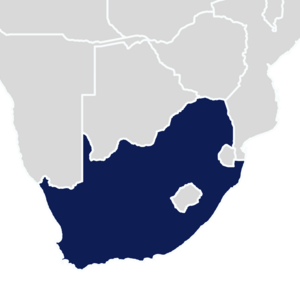
Sickle Africa Data Coordinating Center (SADaCC) at the University of Cape Town
Cape Town, South Africa
Assessing Vehicle Design and Behavioral Risk Factors for Road Traffic Injuries in New Delhi Using a Spatially Stratified Case-Control Protocol
The College, 2026 Biological Sciences
UChicago Faculty Mentor Dr. Kavi Bhalla Department of Public Health Sciences
Onsite Mentor Dr. Rahul Goel
Diya, along with her graduate counterpart SJ, developed a spatially stratified, case-control research protocol designed for urban LMIC settings, with New Delhi serving as the pilot site. Road traffic injuries are a major cause of death and disability in LMICs, yet there are few scalable methods for examining the combined vehicle, behavioral, and environmental contributors to crash risk. Diya & SJ defined policy-relevant research questions and collected case data, while controls were obtained through randomized observational sampling road segments spanning multiple city jurisdictions. Preliminary findings indicate quality, geographically representative data and sufficient statistical power to assess risk estimates for the planned analyses. Overall, the protocol offers a flexible, replicable framework for evaluating diverse road safety questions and can be adapted to other LMIC cities with varied data environments.
International Partner Site
Indian Institute of Technology Delhi (IIT) Transportation Research and Injury Prevention Center
New Delhi, India
Incidence and Trends of Cardiotoxicity in HER2-Positive Breast Cancer Patients in Nigeria
The College, 2027 Biological Sciences
UChicago Faculty Mentor Dr. Funmi Olopade Department of Medicine, Hematology & Oncology
Onsite Mentor Dr. Atara Ntekim
This study investigates patterns of cardiac function and treatment-related cardiotoxicity in Nigerian women with HER2-positive breast cancer enrolled in the ARETTA clinical trial. Esther used echocardiographic data from patients receiving standard multimodal therapy, and then evaluated longitudinal changes in left ventricular ejection fraction (LVEF) and the incidence of cardiotoxicity over a 24-month period. The findings underscore the need for ongoing cardiac monitoring in this population, given measurable declines in function despite the absence of overt symptoms.
International Partner Site
The ARETTA Study at the University of Ibadan
Ibadan, Nigeria
Understanding the Global Impact of Congenital Toxoplasmosis: From Latin America to the World
The College, 2027 Biological Sciences, Global & Public Health Track
UChicago Faculty Mentor Dr. Rima McLeod Department of Ophthalmology & Visual Science
Onsite Mentors Dr. Mariangela Soberon in Panama & Dr. Jorge Enrique Gomez Marin in Colombia
Jared, along with his graduate counterpart Olivia, completed a multi-country project addressing congenital toxoplasmosis (CT) through clinician education, epidemiologic analysis, immunologic assessment, and early therapeutic exploration. In Panama, Jared & Olivia developed and distributed a concise Spanish “one-pager” for healthcare providers and launched a complementary survey to inform Ministry of Health policy recommendations. In Colombia, clinical records from CT patients were analyzed to identify factors associated with ocular recrudescence, revealing links with disease laterality, lesion burden, socioeconomic status, and reduced lymphocyte responses. Collectively, their findings highlight the need for improved clinical recognition, targeted public health strategies, and continued exploration of immune and therapeutic pathways to advance CT prevention and care.
International Partner Sites
Hospital Punta Pacifica in Panama City, Panama
Universidad del Quindío in Quindío, Colombia
Prognostic Value of the ALBI Score in HBV-Related Hepatocellular Carcinoma in South Africa
The College, 2026 Public Policy, Health Specialization
UChicago Faculty Mentor Dr. David Hampton Department of Surgery, Trauma & Acute Care
Onsite Mentor Dr. Sanju Sobnach
This study evaluates liver function staging tools in a large South African cohort of patients with hepatitis B–related hepatocellular carcinoma, a condition that often develops without cirrhosis and limits the usefulness of traditional cirrhosis-based assessment systems. Using retrospective data from patients, Sebastian compared the prognostic performance of the Child-Pugh and ALBI scores and assessed survival outcomes. The ALBI score demonstrated clear stepwise separation in survival, highlighting its value as an objective measure of hepatic reserve in HBV-HCC. Overall, Sebastian's findings support the use of ALBI over Child-Pugh while underscoring persistently poor survival driven by late presentation and substantial tumor burden.
International Partner Site
University of Cape Town
Cape Town, South Africa
Improved Diagnosis of Dementia Using Deep Learning on MRI Images of the Hippocampus
The College, 2026 Sociology & Mathematics
UChicago Faculty Mentor Dr. Funmi Olopade Department of Medicine, Hematology & Oncology
Onsite Mentors Dr. Benjamin Aribisala
Dementia, most commonly caused by Alzheimer’s disease, leads to progressive cognitive decline. Because of this, early diagnosis is essential to improving patient outcomes. Because manual MRI interpretation is labor-intensive, Torren’s project aimed to develop a deep learning model capable of distinguishing demented from non-demented brains using 3D MRI data, with a focus on the region most affected early in the disease, the hippocampus. The model was trained on publicly available data and then applied to processed clinical data from patients in Nigeria. Using standardized preprocessing methods, including brain extraction and segmentation, the model successfully isolated the hippocampus and produced accurate dementia classifications. These findings highlight the potential of machine learning to strengthen diagnostic efficiency and expand access to early dementia detection, particularly in resource-limited settings.
International Partner Site
Lagos State University
Lagos, Nigeria